16 oz Boxing Gloves vs 10 oz: Compared
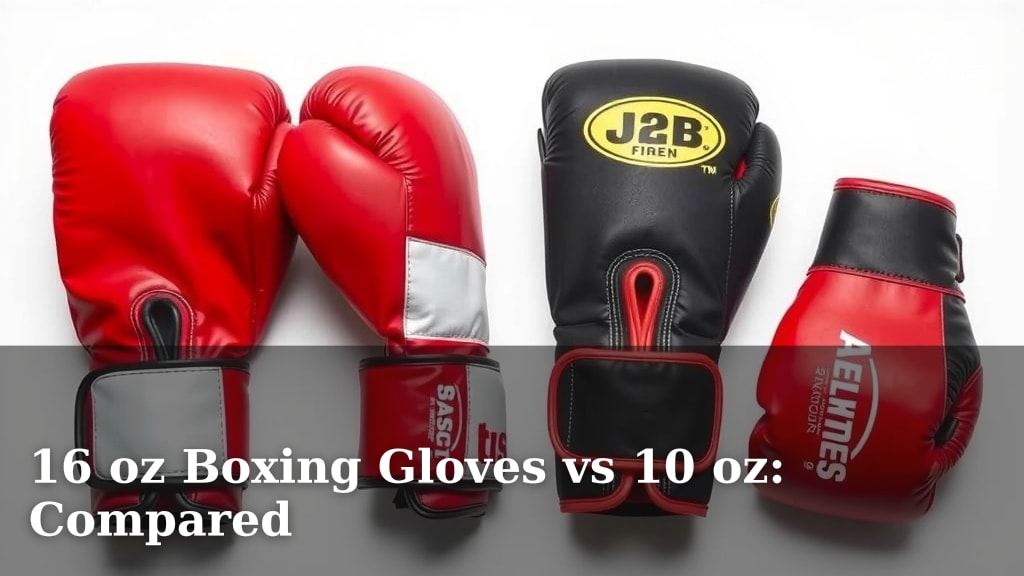
When choosing between 16 oz boxing gloves and 10 oz gloves, the main difference comes down to protection and training purpose. For most sparring and general training, 16 oz gloves offer superior padding, protecting both your hands and your training partners. 10 oz gloves are typically used for bag work or competition, where speed and impact are prioritized over heavy padding.
Understanding glove weight is key to a safe and effective boxing workout. Heavier gloves mean more cushioning for your knuckles and wrists. Lighter gloves feel faster but can put more strain on your hands. We found that the right glove weight depends entirely on what you plan to do in them. Are you just starting, or are you gearing up for a fight?
- 16 oz gloves are best for sparring and general training, offering more protection.
- 10 oz gloves are good for bag work and competition, prioritizing speed.
- Glove weight directly impacts hand safety and workout intensity.
- Choosing the correct weight prevents injury and improves performance.
Let’s break down the key differences between 16 oz and 10 oz boxing gloves to help you make the best choice for your needs.
Boxing Glove Weight: What’s the Big Deal?
You might be wondering why boxing gloves come in different weights. It’s not just about size. Glove weight is a key factor in your safety and training effectiveness. Think of it like choosing the right tool for a job. Using the wrong one can lead to frustration and, worse, injury. We found that understanding these weights makes a huge difference in your boxing journey.
The Purpose of Glove Weight: More Than Just Padding
Protection for Your Hands and Your Sparring Partner
The primary reason for heavier gloves is increased padding. This padding isn’t just for show; it’s vital for absorbing impact. When you punch a bag or, more importantly, spar with someone, your hands and wrists take a lot of force. Heavier gloves, like 16 oz ones, distribute this force more evenly. This helps prevent hand injuries like fractures and sprains. It also protects your training partner from the full impact of your punches, making sparring safer for everyone involved.
Impact on Speed and Technique
On the flip side, lighter gloves feel much faster on your hands. This can be beneficial for certain types of training. When you’re working on speed drills or hitting the heavy bag, less weight means you can throw punches quicker. However, this speed comes at a cost. Lighter gloves offer less protection. This means more stress on your hands and wrists. It also means any impact you land will feel harder for your partner.
16 oz Gloves: The All-Around Workhorse
Why 16 oz is Ideal for Sparring
When most people think about boxing training, sparring often comes to mind. For this essential part of the sport, 16 oz gloves are generally the go-to choice. They offer the most padding available in standard glove weights. This substantial padding is crucial for absorbing the shock of punches during sparring sessions. Many gyms mandate 16 oz gloves for sparring to ensure a safe environment for all fighters. This weight protects your knuckles and wrists from the repeated impact of training.
General Training and Bag Work with 16 oz
While 16 oz gloves excel in sparring, they can also be used for general training. If you’re focusing on technique and want to build hand strength, these gloves are a good option. They force you to use proper form because the added weight requires more effort to move. For bag work, they still offer good protection, especially if you’re hitting harder or for longer durations. However, some boxers find them a bit too bulky for intense bag sessions where speed is the focus.
Who Should Use 16 oz Gloves?
- Beginners who are still developing their punching form.
- Anyone who spars regularly.
- Boxers looking to build hand and wrist strength.
- Individuals who prioritize maximum protection during training.
10 oz Gloves: For Speed and Competition
The Role of 10 oz Gloves in Competition
When you step into the ring for a sanctioned fight, the gloves are often 10 oz. This weight is standard for many professional and amateur bouts. The reason is simple: speed and a clear demonstration of power. Lighter gloves allow boxers to throw punches faster, which is essential in a competitive match. They also mean that when a punch lands, the impact is felt more directly by the opponent. This is part of the strategy in competitive boxing.
Bag Work and Pad Drills with 10 oz
If you spend a lot of time on the heavy bag or working with pads, 10 oz gloves can be a great choice. Their lighter weight allows for quicker combinations and sustained speed. You can really focus on developing your punching velocity and endurance. Many coaches use 10 oz gloves for pad work because it simulates the feel of competition gloves. It helps fighters get accustomed to the lighter weight and faster feel.
Potential Downsides of 10 oz Gloves
The biggest drawback of 10 oz gloves is their limited padding. While great for speed, they offer less protection for your hands and wrists. If you have existing hand issues or are new to boxing, using 10 oz gloves for anything other than light bag work or competition can be risky. You are much more likely to sustain injuries like knuckle damage or wrist sprains. Many experts recommend that boxers do not use 10 oz gloves for sparring, even with training partners, as the risk of injury is too high.
Who Should Use 10 oz Gloves?
- Competitive boxers who need to train with their fight-weight gloves.
- Experienced boxers focusing on speed and technique on bags.
- Athletes who have excellent hand conditioning and technique.
Direct Comparison: 16 oz vs. 10 oz
Let’s break down the core differences you’ll notice between these two popular glove weights. It’s not just about the ounces; it’s about how they affect your training and your body.
| Feature | 16 oz Gloves | 10 oz Gloves |
|---|---|---|
| Primary Use | Sparring, general training, heavy bag (for protection) | Competition, speed bag, light pad work, bag work (for speed) |
| Padding Level | High – excellent shock absorption | Medium-Low – less shock absorption |
| Hand Protection | Superior – reduces risk of hand/wrist injuries | Moderate – higher risk of injury without proper technique |
| Speed & Feel | Slower, more deliberate feel | Faster, lighter feel |
| Ideal For | Beginners, safety-conscious trainees, heavy sparring | Experienced fighters, competition prep, speed focus |
Making Your Choice: What’s Right for You?
Consider Your Training Goals
Your decision hinges on what you want to achieve. If you’re just starting out, focusing on learning the basics, and aiming for safe practice, 16 oz gloves are the clear winner. They offer the protection you need as your technique develops. If you’re a seasoned boxer preparing for a fight or wanting to sharpen your speed, 10 oz gloves might be more appropriate for specific training sessions. Remember, it’s about using the right tool for the right task.
Listen to Your Body and Your Coach
Always pay attention to how your hands and wrists feel. If you experience pain or discomfort, it’s a sign you might need more padding or better technique. Your coach is also an invaluable resource. They can assess your skill level and recommend the appropriate glove weight for your training regimen. They’ve seen countless boxers progress and can offer personalized advice. Many boxing organizations and gyms have rules about glove weights for safety reasons.
Quick Checklist for Glove Selection
- Assess your current boxing experience level.
- Determine your primary training activity (sparring, bag work, etc.).
- Prioritize hand and wrist protection.
- Consider speed and technique development needs.
- Consult with your coach for guidance.
- Always follow gym rules on glove weight for sparring.
Conclusion
Choosing between 16 oz and 10 oz boxing gloves comes down to your training goals and safety. We found that 16 oz gloves offer superior padding, making them ideal for sparring and general training where protecting your hands and your partner is key. On the other hand, 10 oz gloves are built for speed and are standard for competition and intense bag work, but they demand excellent hand conditioning. Always listen to your body and your coach to make the right choice. Ready to gear up? Consider your primary training activity and prioritize protection to make your next glove purchase a smart one.
Frequently Asked Questions
Can I use 10 oz gloves for sparring?
We generally advise against using 10 oz gloves for sparring. The reduced padding significantly increases the risk of hand and wrist injuries for both you and your training partner. Most gyms and coaches strongly recommend heavier gloves, like 16 oz, for safe sparring sessions. Prioritize protection during sparring to build a solid foundation.
Are 16 oz gloves too heavy for bag work?
For some, 16 oz gloves can feel a bit bulky for very fast bag work where speed is the main focus. However, they offer excellent protection, especially for longer sessions or when you’re hitting the bag with more power. If you’re concerned about developing hand strength and want extra cushioning, 16 oz gloves are a solid choice for most bag workouts.
Will 10 oz gloves make my punches faster?
Yes, lighter gloves like 10 oz will generally feel faster on your hands. This allows for quicker combinations and improved punching velocity, which is beneficial for competition or speed-focused drills. Just remember that this speed comes with less protection, so it’s important to have good technique and hand conditioning.
How do I know if I have good enough hand conditioning for 10 oz gloves?
Good hand conditioning means your hands and wrists are strong and resilient to impact. If you don’t experience pain or discomfort during or after bag work with heavier gloves, and your coach agrees your technique is solid, you might be ready. Listen to your body; pain is a clear signal that you need more protection.
Is there a weight requirement for boxing gloves in amateur fights?
Yes, most amateur boxing competitions have specific glove weight requirements, often 10 oz for certain weight classes. It’s essential to check the rules for the specific organization or event you plan to compete in. Training with the same weight gloves you’ll use in a fight can help you get accustomed to their feel and speed.